

We are very lucky to be living close to many of the National Trust Properties as we live on the Staffordshire/Cheshire border and often visit these properties during school holidays.
Although Dunham Massey is most famous for its Christmas Lights, it is a wonderful place to visit all year round as you would get to see its seasonal flower displays, thriving wildlife as well as hundreds of years of history all located in the same area.
During the Summer, we managed to visit Dunham Massey and spend a whole day there exploring the property, nature themed play area, participating in family trails and in the tours. So keep on reading to find out what we did while we were there.
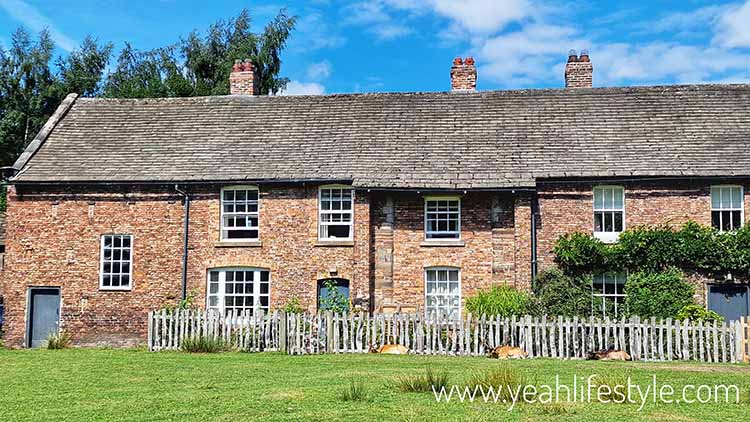
Sitting on the Greater Manchester and Cheshire border, Dunham Massey is a fabulous place for families wanting to spend a few hours exploring the garden and deer park. It is also a great place for photo enthusiasts as well as artists as the deer park is picturesque.
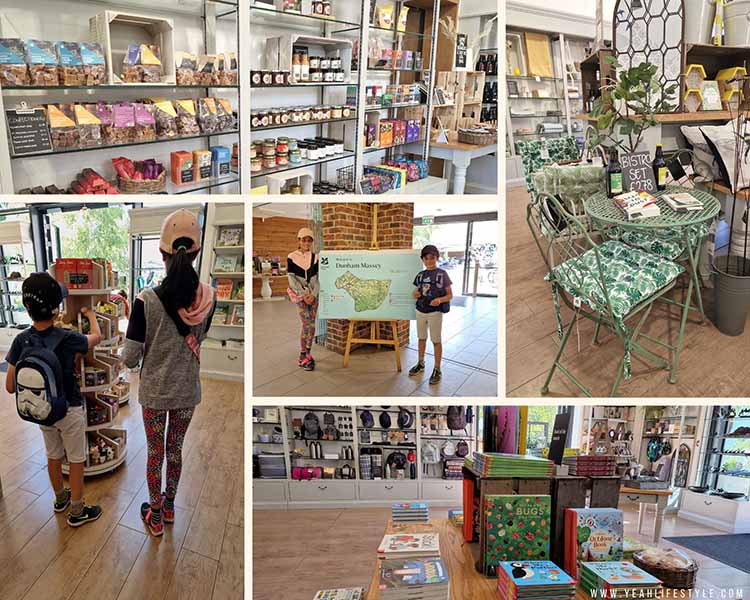
We arrived at the property just as it opened, it looked busy but there was still plenty of carpark space available. We had a quick look at their souvenir shop which sold all sorts of products such as books, clothing, souvenirs and food items before we decided to walk around the garden admiring the parkland and ancient trees.
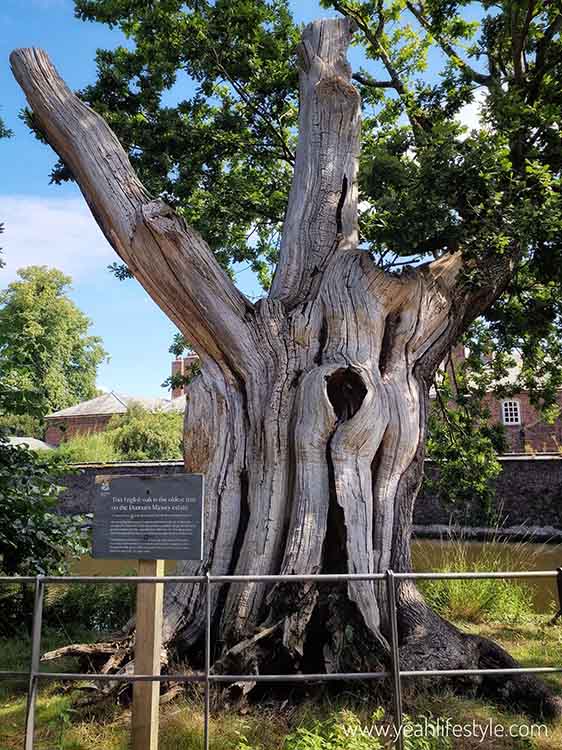
The amazing Oak tree that you see above is the oldest tree in Dunham Massey estate and it is estimated to be over 500 years old. The trunk of the tree was hollow and some of its branches dead but this is normal as the trees are going through a natural process. At the time we were there, they were trying to restore it. It looked ginormous and my kids were at awe by its size.
It is said that oaks grow for three hundred years, rest for three hundred years and slowly die for another three hundred years. The decay of heartwood in old trees is now thought to be beneficial for the tree. Fungi decay the wood allowing the tree to reabsorb nutrients which have been stored there for hundreds of years.

If you are able to allocate roughly an hour of your time then I would certainly recommend joining the park tour. I brought my 10 and 12-years-old children with me for the tour, I got them an ice-cream from the Parlour as it was such a nice day and headed to the Clocktower (which was the meeting point).
The tour guide was very patient and even asked them questions as we went along and shared with us information such as key facts and histories connected to the parkland and its buildings. The park’s seasonal ecology and how the Dunham has changed through its history.
We also learnt that Dunham’s park is a Site of Special Scientific Interest and Dunham’s herd of fallow deer have grazed the land for nearly 1000 years and that the Mill is the oldest building in the park.
The tour runs most days, but do check with reception on the timings so as not to miss it.

Dunham Massey has all the elements of a great medieval deer park. On a walk through the grounds you’ll see fine avenues, wide vistas, ancient trees, roaming deer and open grassland.
Do remember that the deer may seem friendly and tame, but it’s important that you do not try to touch, feed or approach them. Feeding them can upset their balanced diets, people chasing them or trying to touch them can also make them ill. If the deer get too stressed, they often retreat to the deer sanctuary. These areas are closed to the public and are marked with signs.
It is also not recommended to picnic in the deer park. You are of course welcomed to enjoy your picnic by the picnic areas which are available in the gardens and the north park away from the inquisitive deer who may steal your food. If you are taking your dogs to the deer park, remember to keep them on the lead to avoid spooking the deer.

When is the best time to spot the deer?
Jan to Feb – Not the best time to spot the deer as with the colder temperature. They don’t look their best with their thick winter coats and they also may look hungry. Don’t worry, they’re still getting a good balanced diet as during winter they are fed by the rangers. The herd are fed with a mixture of carrots and rolled barley grown at Home Farm. This ensures they are getting all the nutrients and minerals they need.
March to May – The deer start the process of casting around April to May which means, this is where their old antlers fall off. You’ll probably see some bucks with one antler as they often don’t lose both at the same time! If you find antlers lying around the park, you can keep them. The best places to find them are usually in the long grass or by trees.
June to July – This is when the new fawns are born. The natural instinct of the deer is to protect their young, so it’s important that you give them space, especially if you have dogs with you. Fawns are rarely seen in the first few weeks of their life until later in the summer. So If you do spot a fawn, it’s a magical sight but you should keep your distance.
August – For the bucks in the herd, they’ll be starting to re-grow their antlers. The new antlers come out looking very soft, as if they’re covered in a ‘velvety’ fur. From August onwards, they’ll shed this velvet layer, leaving bloody dreadlocks. You may notice them rubbing against trees or fences (anything with a hard surface) to get rid of the layer of skin! It might look unsightly but the deer aren’t in any pain.
September to October – This is the breeding or ‘rutting’ season where the bucks fight for the pick of the does with which to mate. The bucks, with fully grown antlers, are full of testosterone which means that the bucks smell strongly of musk and their necks thicken. They scrape hollows with their hooves, urinate and then wallow in it to deter any other bucks from coming into their ‘turf’. They also bellow at each other (you can often hear this noise early in the morning).
November – By this time, the parkland trees are bare and this is the perfect time to see the deer.

Where to Eat
It was a beautiful day so we popped over to the Parlour for ice-cream just before our tour started. The tour took just over an hour, so we slowly made our way to Stamford Café in the Visitor Centre for lunch after. There are ample of indoor seating spaces as well as outdoor seats on the terrace at the Café. Do note that If you visit the Café in Summer (as we did), just be aware of wasps, they are lots of them and they love juices or jams and will follow you around.

Dunham Massey houses highly impressive collections of silver, furniture and paintings as well as a library containing original books, influenced by the Booth family and particularly by the 2nd Earl of Warrington.

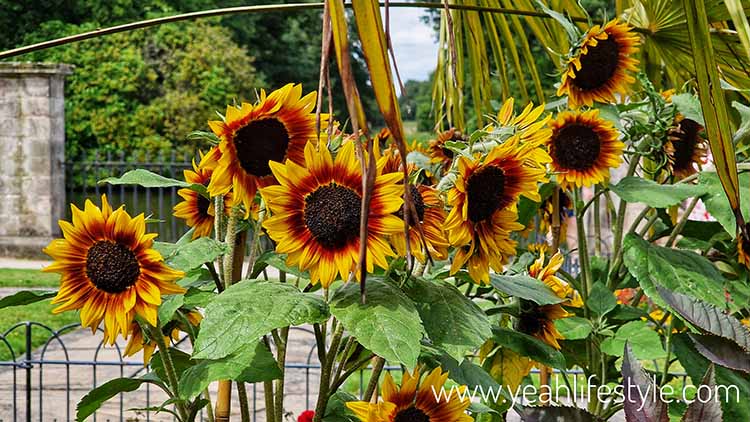
Once enjoyed exclusively by the Earls of Stamford and Warrington and their families, the garden now provides a tranquil haven for visitors and wildlife alike. When the National Trust took over Dunham Massey in 1976, work began to transform the garden to its former glory. It was decided that the garden would have an Edwardian pleasure ground feel with the freedom to choose from a range of planting options. The garden continues to evolve today- modern additions include the Rose Garden and the Winter Garden.
Where is Dunham Massey?
Dunham Massey
Altrincham
WA14 4SJ
0161 941 1025
What are their opening hours?
Please check their website for the open hours of the House, Cafe/Restaurant, Mill and Park but generally in Autumn, their opening hours are from 9.30am to 5pm (Mon – Fri) and 9am to 5pm (Sat & Sun). This may vary in Winter/Summer. Do note that the last entry to the car park is 1 hour before closing, last entry to the gardens is 45 minutes before closing and last entry to the house and historic buildings is 30 minutes before closing. Mill is open by guided tour at set times between 12 – 4pm. Opening days vary.
How much is the entrance fee?
Park and Garden entrance fee is £8 for adults and £4 for kids while a family ticket for 2 adults and 2 children costs £20. The entrance fee to The House and Servant Courtyard is ££6 for adults and £3 for kids while a family ticket costs £15. Do note Under 5s go Free and the Park & Gardens ticket includes entry to the gardens, deer park, car park, food and drink outlets, shop, and facilities.
House and Servant Courtyard tickets are purchased in addition to Park and Gardens tickets and cannot be purchased separately. You can get your tickets from visitor reception.

Little points to take note of:
- Cycling is for under 5s only in the park walls. Cyclists are welcome to lock their bikes in the car park, but we do ask you to pre-book.
- BBQs are not permitted anywhere at Dunham Massey.
About Dunham Massey
About National Trust
National Trust is a charity founded in 1895 by three people who saw the importance of the nation’s heritage and open spaces and wanted to preserve them for everyone to enjoy. More than 120 years later, these values are still at the heart of everything they do. They look after special places throughout England, Wales and Northern Ireland for everyone. They also take care of coastline, forests, woods, fens, beaches, farmland, moorland, islands, archaeological remains, nature reserves, villages, historic houses, gardens, mills and pubs and one of the world’s largest art collections. They have restored and protected these places and share them to the public for everyone. For the Trust, conservation has always gone hand-in-hand with public access. They have to date:
- 775 miles of coastline
- Over 248,000 hectares of land
- Over 500 historic houses, castles, ancient monuments gardens and parks and nature reserves.
- Close to one million objects and works of art
Many of the existing properties are unable to fund their own permanent preservation as the cost of caring for them is high. Also, most of their property is held inalienably, so it can never be sold or developed without the consent of Parliament. The National Trust relies on the support of its members, donors and volunteers, as well as income from grant-making bodies and commercial activities such as retail and food and beverage outlets, to look after the places in their care.

You may want to read this:
National Trust: Hare Hill Garden in Cheshire Review
National Trust : Little Moreton Hall Review
National Trust : Biddulph Grange Gardens Review

12 comments
Dunham Massey looks like a wonderful place to spend an afternoon out. That oak tree is huge! I also love to visit places where you can get up close to deer.
The trees there are so old and so huge! Definitely worth a visit
I do love National Trust, we were members when the kids were younger. I have not visited here but looks a lovely day out
It certainly was a fabulous day out, hope you get the chance to visit Dunham Massey soon
I would love to see Dunham Massey with the family. The entire area is beautiful. I’ve never seen deer like that, either. The deer in the States have pointy antlers. Very cool.
It is a great place, perfect no matter the season
Looks like you had a beautiful day for it! What a lovely spot to visit with the family and have a nice afternoon picnic too.
I agree, it was a fabulous day out and we had a great time
I love visiting National trust places, but amazingly, I haven’t been to one in over 4 years.
There are so many, we try to visit one whenever we can
It looks like you guys had a great time there. Such a beautiful place to visit with family.
It absolutely is, and one place worth heading to