
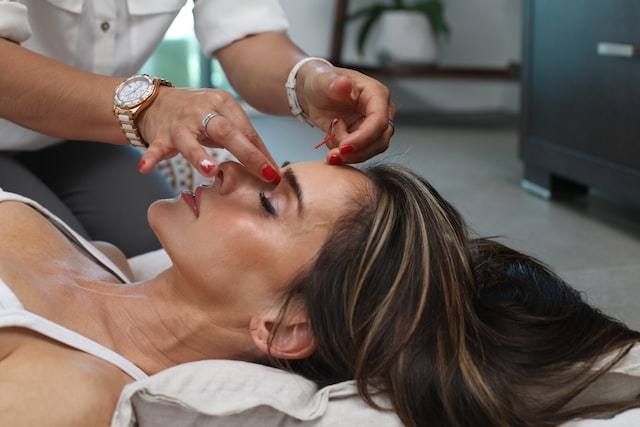
Skin performs a variety of important roles in overall health. Any skin problem might make your body sick. It also protects other body systems from damage, illness, and potentially dangerous external influences. In contrast, human skin is regarded to be significantly more sensitive. While skin lumps, blisters, or rashes are usually caused by minor irritations, they can sometimes be signs of more serious illnesses. It has the potential to cause cancer.
If the color, size, form, or symptom of a mole or a patch of your skin changes, you should see a dermatologist. Such changes in your skin are typically indicators of skin cancer.
What do dermatologists do?
The job of a dermatologist is often split into three sections. These are some examples.
A dermatologist can diagnose and treat skin disorders. This encompasses illnesses such as plaque psoriasis, rosacea, and acne. A dermatologist can also detect indications on your skin that may indicate other health problems. Itchy, dry skin, for example, might occasionally suggest renal issues.
Numerous dermatologists do minor surgery, including the removal of moles, warts, and skin biopsies. More extensive surgery will be a specialty of other dermatologists. These procedures could involve getting rid of skin cancer or benign cysts.
An expert in dermatology can handle skin problems that compromise your look. This can involve wrinkles, black patches, or hair loss. A lot of dermatologists have additional training in doing aesthetic procedures. Fillers, chemical peels, and laser hair removal are some of them.
When Seeing a Dermatologist Is Best
With your hectic schedule, seeing the dermatologist may be at the bottom of your priority list. A dermatologist can not only diagnose skin cancer, but they may also assist discover skin disorders that you may assume are innocuous. Here are a few issues that should prompt you to consult a dermatologist rather than self-diagnose on Google.
- If you have a mole on your body, you should be aware of whether or not it is expanding or contracting. It’s also important to undergo a skin test once a year. A dermatologist should be seen if your moles have changed in size, shape, or color, or if they are painful, itching, bleeding, or otherwise not healing.
- Pimples normally go away on their own, but if they are becoming bigger and causing you discomfort, you should consult a doctor. A dermatologist can provide more appropriate and effective treatment alternatives for you. There are also other skin problems that seem like acne but aren’t. As a result, you may be treating skin issues wrong. It is quite beneficial to see your doctor to determine the specific condition.
- Skin cysts are normally painless, but if infected, they can become sensitive, sore, and red. Each cyst is treated differently. Treatment of cysts depends on several factors. You most likely have cystic acne if you have sensitive, inflammatory pimples that extend deep into the surface of your skin. One of the worst types of inflammatory pimples, it has the ability to leave permanent scarring. Your doctor can give you some suggestions if anything goes wrong. If the cyst makes you irritated you should check with some doctors where private cyst removal treatment is possible.
- Your skin is permanently flushed and red. Rosacea frequently causes red areas that resemble pimples. If you are experiencing this, consult your dermatologist, who will be able to offer therapy that is tailored to your individual circumstances. Rosacea is a skin condition that causes facial flushing and visible blood vessels. Small, pus-filled lumps may emerge as well. You could also opt for a facial for rosacea which can help support your skin through the natural ageing process by helping to combat free radical damage and encouraging skin renewal. It also improves the texture and tone of your complexion and helps prevent rosacea progressing to more advanced stages.
- You have areas of skin that are brighter or darker than the rest of your body. Skin spots are frequently aesthetic issues, but there are also significant disorders that can cause dark and light patches on your skin. Your dermatologist should examine them to see if there is anything to be concerned about.
- Your skin is permanently flushed and red. Rosacea frequently causes red areas that resemble pimples. If you are experiencing this, consult your dermatologist, who will be able to offer therapy that is tailored to your individual circumstances. Rosacea is a skin condition that causes facial flushing and visible blood vessels. Small, pus-filled lumps may emerge as well.
Even if you don’t have any of these issues or disorders, but have spent time in the sun at least once in your life, you should have an annual skin cancer test. Early detection is critical and potentially life-saving.
Importance to Visit Dermatologist
There are several disorders that might cause skin damage. Some are safe, while others are not. Some merely provide minor symptoms. Others may be substantial and intrude on daily life. If you experience signs such as redness, irritation, discomfort, rashes, or pus, you should consult a dermatologist. Skin cancer screening is critical because it can save your life. Some surgeries will improve the appearance of your skin.
**This is a collaborative post
